
Oat
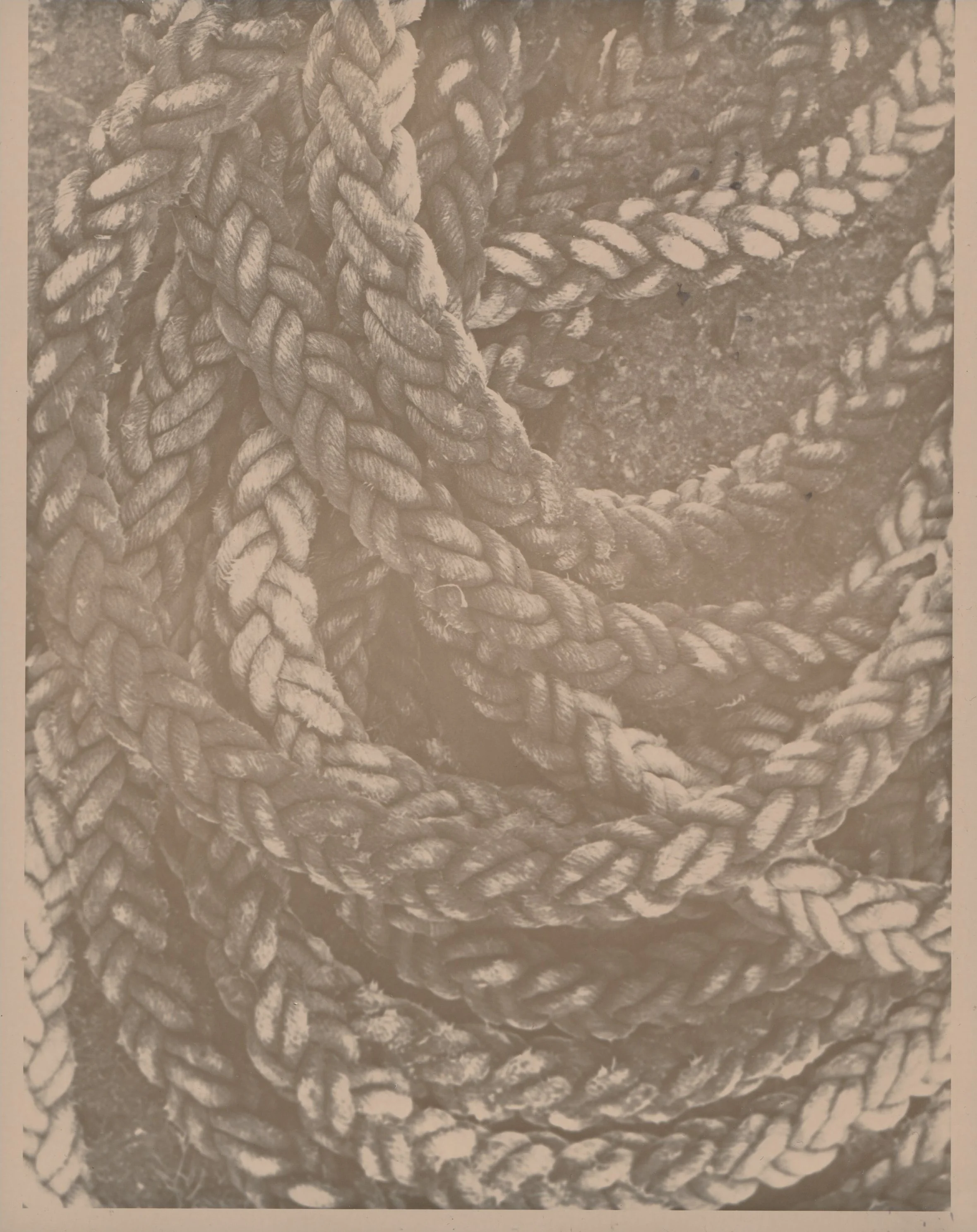
Oat ©Julie Corcoran 2026
Chatting with my AirBnb host, Stella about my search for potential plants to use as developers during my darkroom residency; she pointed me in the direction of the Seeds of Change Ship Ballast project by Maria Thereza Alves which ran in Bristol harbour from 2012-2016.
Stella explained over a cuppa,
“It was a project a few years back about the seeds carried in ship’s ballast from other countries and how they would grow around the harbour and would become naturalised, adding to the beauty of the area’.
This project sounded like a perfect starting point, so I researched further. Students from the University of Bristol botanic gardens grew the seeds found in ballast dumps at the harbour and the plants were transplanted onto a floating, concrete barge to create a garden with support from Bristol council and the Arnolfini Gallery. They compiled a list of plants that came in on the ships (Sadly the project is complete and the barge is no longer maintained as a garden, it was moved to the front of the MShed on the harbour for a new purpose. I remember seeing it on my first day in Bristol but I had no idea what it was).
Reading through the list, I was instantly drawn to my breakfast staple, oats.
I remembered seeing a recipe for oat water developer by Andrés Pardo in Vol 2 of Back to Basics, (Extended Recipes for Ecological Photochemistry, published by the Sustainable Darkroom).
Brought my bag of breakfast oats into the darkroom and borrowed vinegar from the Folkhouse cafe to soak two cups of oats.
The plan is to develop silver gelatin prints with the oat water using an image of ship’s rope I photographed on my first day walking around the harbour. I’ll note any adjustments to the recipe, enlarger settings and development temperature and time.
This is an excerpt from my Bristol Folkhouse Darkroom Residency Diary. The residency was made possible through support from the Bristol Folkhouse Darkroom and Cavan Arts Office.